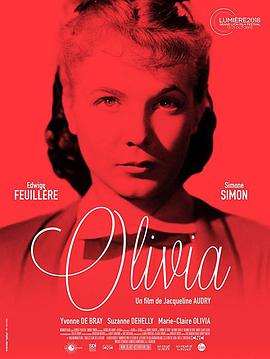
大概是法国第一部描写女同志的故事片吧。
Olivia (also known as Pit of Loneliness) is a 1951 French film directed by Jacqueline Audry. It is based on the 1950 semi-autobiographical novel by Dorothy Bussy. It has been called a "landmark of lesbian representation". Olivia arrives at a finishing school and falls in love with headmistress Mlle. Julie. Mlle. Julie feels the same, but tries to suppress her desire. For her part as Mlle. Julie, Edwige Feuillère was nominated for a BAFTA award for Best Foreign Actress in 1952.
French director Audry made 18 feature films from 1944 to 1972. Her earliest films are prime examples of the French 'tradition of quality.' She favored plots adapted from French literature. Audry is most distinguished from her peers in that her films were primarily focused upon female leads, whereas traditional French cinema is centered around the lives of men. Her most notorious film was 1951's Olivia, which dealt with lesbian relationships.
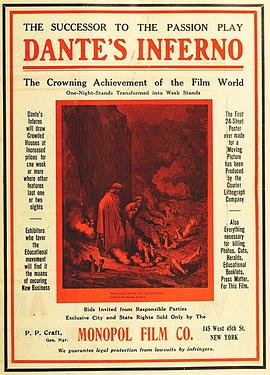
The poet Dante is lost in a dark and gloomy wood. At the summit of a mountain he sees the light of salvation. He endeavors to ascend to it, but his way is barred by three wild beasts, symbolizing Avarice, Pride and Lust. Beatrice sees his predicament and descends from Paradise into Limbo, where she asks the poet Virgil to rescue and guide Dante. Virgil knows another way to go, ...
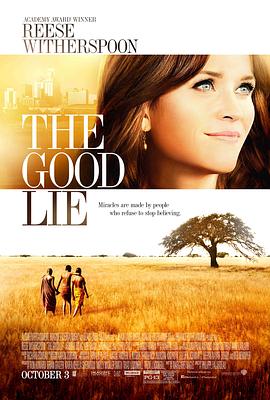
影片根据真实事件改编,1983-2005年间,有许多平民在苏丹的战火中流离失所,幸存者被当时的援救人员称为“苏丹的迷途男孩”(Lost Boys of Sudan),其中有一部分人,后来以难民的身份来到美国。片中威瑟斯彭扮演的凯瑞,帮助四位苏丹难民寻找工作,为他们争取合法权益,想方设法让他们与亲人团聚,并同他们结下了深厚的友谊。 影片的导演,曾执导过《拉扎老师》的菲利普·法拉迪约,坚持到非洲实地拍摄,坚持让真正的苏丹人来演。片中的演员Ger曾在难民营生活多年,另一位来自苏丹的演员Emmanuel则表示,电影就像是在讲他自己的故事。